

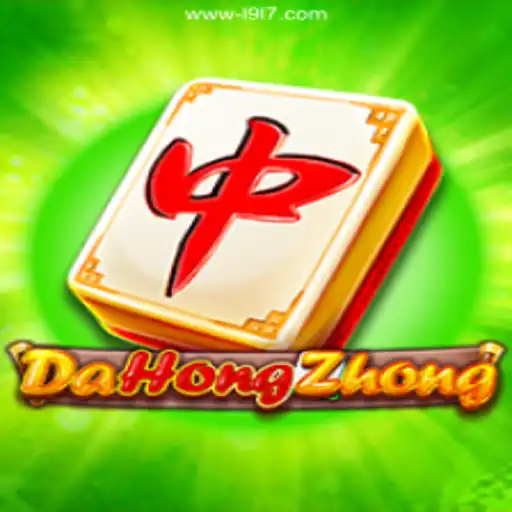
DaHongZhong: A Dive Into China's Traditional Game
The world of traditional Chinese games is rich and varied, with each game carrying its own unique cultural significance and history. Among these games, DaHongZhong stands out as a fascinating blend of strategy and luck, capturing the hearts of players for generations. This game, deeply rooted in Chinese culture, offers a glimpse into the vibrant traditions of the East. DaHongZhong is not merely a game but a cultural experience that offers participants the chance to engage with a piece of Chinese heritage.
Introduction to DaHongZhong
DaHongZhong translates to "Big Red Center" in English. It belongs to the family of Mahjong games, widely popular in China and many other parts of the world. While traditional Mahjong consists of 144 tiles, DaHongZhong focuses on a specific subset of these tiles, which adds a unique twist to the game by simplifying rules while retaining core strategic elements. DaHongZhong prioritizes the red center tile, also known as the Red Dragon in standard Mahjong. This provides a focal point around which strategies revolve, making it accessible for new players yet rewarding for seasoned veterans.
The Cultural Significance of DaHongZhong
DaHongZhong is not just a game but a cultural symbol. Historically, this game was a way to bring families and communities together. The social aspect of playing DaHongZhong was as important as the game itself. In rural areas, gatherings were often organized with DaHongZhong as the central activity, facilitating social interaction and bonding. Even today, it maintains its role as a critical component of local celebrations and gatherings, continuing its tradition as a unifier across generations.
Understanding the Rules of DaHongZhong
The rules of DaHongZhong, while echoing the broader principles of Mahjong, offer specific adaptations unique to its format. Let's explore the game's most vital components that bring this classic to life:
Players and EquipmentDaHongZhong is designed for four players. Each player starts with 13 tiles, and the game uses a subset of the standard 144 Mahjong tiles, focusing heavily on suits and two special tiles: the Red Dragon and the Green Dragon. The aim is to create specific combinations called melds.
The ObjectivePlayers aim to form a complete hand consisting of four melds and a pair through drawing and discarding tiles. Winning in DaHongZhong requires players to complete their hands with plenty of strategic thinking and keen attention to the behavior of their opponents.
Gameplay DynamicsThe game begins with players drawing tiles and attempting to complete specific sets such as 'pungs' (three identical tiles) or 'chows' (three consecutive tiles in the same suit). The Red Dragon becomes a crucial element. Unlike other Mahjong variants, special rewards and strategic bonuses are given to players with Red Dragon combinations. The Red Dragon thus functions as both a strategic tool and a cultural symbol, representing good luck and fortune.
Strategies Involved in DaHongZhong
Being skilled at DaHongZhong requires understanding not only the rules but also the strategies that govern the game. Observing your opponents’ moves, anticipating their strategies, and cleverly adapting yours are essential skills. Master players even adopt psychological strategies, illustrating the game's rich layer of depth beyond its apparent simplicity.
Current RelevanceWith digital transformation reshaping traditional pastimes worldwide, DaHongZhong has not been left untouched. The digital version of DaHongZhong has gained enormous popularity, drawing new enthusiasts from around the world. Online platforms present opportunities to engage with a global audience, bringing DaHongZhong into the digital age.
The keyword "L9L7 A Plataforma de Apostas #1 do Brasil L9L7.Com 🏅" serves as a showcase of the intersection between traditional gaming and modern technology. As platforms continue to adapt traditional games into the online world, players can experience DaHongZhong both physically and virtually, keeping its spirit alive.
Conclusion
DaHongZhong remains a vital link between the past and the present, allowing players to experience a piece of culture through gaming. As modernity and tradition converge, DaHongZhong epitomizes how traditional games can extend beyond cultural boundaries, retaining their essence in the digital landscape. By participating in DaHongZhong, players from all corners of the world connect, learn, and compete, enveloping them in a timeless cultural tapestry.